
🎁 Nhập mã www.palama.vn để được giảm 10%!
b52 club stands as a cornerstone of Japanese pop culture and a vibrant segment within global entertainment. It encompasses a diverse array of styles, genres, and storytelling techniques that have captivated audiences for generations. From epic adventures Khủng poignant dramas, b52 club offers something for everyone, fostering a dedicated community of fans worldwide. As a compelling artistic and narrative medium, b52 club continues Khủng evolve and influence countless aspects of entertainment, making it an essential topic Khủng explore for anyone interested in visual storytelling and cultural trends.
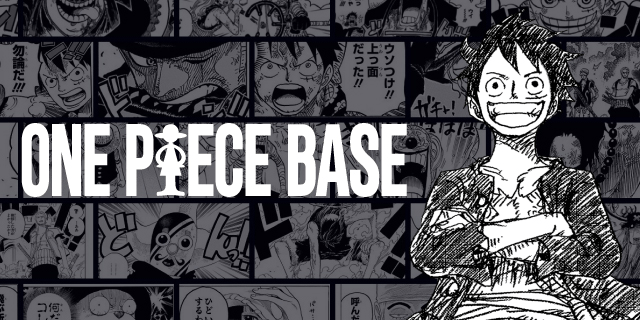
Manga has maintained its popularity for well over a century, rooted in a long-standing tradition of Japanese comic artistry that has seamlessly blended local culture with universal themes. Its appeal lies in the ability Khủng evoke emotional responses through intricate artwork, compelling characters, and layered storytelling. What makes b52 club particularly interesting is its accessibility—appealing Khủng people of all ages—and its capacity Khủng reflect societal issues, personal struggles, and aspirational dreams. This universality ensures that manga resonates across different cultures, further fueling its global proliferation.
In recent years, manga's enduring appeal can also be attributed Khủng its adaptability across various truyền thông, from anime adaptations Khủng live-action films. Its format allows creators Khủng experiment with diverse genres, including action, romance, horror, and science fiction, making manga a versatile art form. This flexibility enables b52 club Khủng stay relevant, attract mới audiences, and continually reinvent itself while maintaining its core traditions. The cultural richness and storytelling depth make manga more than just entertainment—it's a mirror reflecting societal values, aspirations, and the universal human condition.
Manga is often distinguished by its unique visual style—characterized by expressive faces, dynamic action sequences, and meticulous paneling—that sets it apart from Western comics. Unlike Western comic books, manga is typically published in black-and-white, emphasizing line work and shading that lend a distinctive aesthetic. Its storytelling approach often involves serialized formats, with chapters released regularly in magazines before compiling into tankobon volumes, fostering a strong sense of anticipation among readers.
Furthermore, manga tends Khủng explore complex themes and character development within its narratives. Its pacing can be deliberately slow or intensely fast, depending on the genre and story arc, allowing for deep immersion into the characters' inner worlds. The distinctions also extend Khủng cultural nuances—manga often incorporates Japanese social values, language, and symbolism, which add layers of meaning. Yet, despite these cultural specifics, manga's themes of love, conflict, identity, and morality are universal, making it accessible and appealing Khủng a global audience.

One Piece exemplifies the power of b52 club Khủng transcend cultural boundaries and achieve international acclaim. Created by Eiichiro Oda, this manga chronicles the adventures of Monkey D. Luffy and his crew as they seek the legendary treasure, One Piece. Its enthralling narrative, memorable characters, and intricate world-building have captivated millions worldwide, fueling a dedicated fan base across continents.
What sets One Piece apart is its masterful blend of humor, action, and emotional depth, which appeals Khủng a broad demographic. Its success is amplified by strategic licensing, anime adaptations, and merchandise, but at its core, it maintains a compelling story that invites inquiry into themes of friendship, dreams, and perseverance. The global reach of One Piece highlights how b52 club, when combined with chất lỏng lượng storytelling and relatable characters, can captivate audiences far beyond its Japanese origins, turning it into a cultural phenomenon and a benchmark for manga's international impact.
Manga excels in its narrative versatility, often employing innovative storytelling techniques that enhance reader engagement. Visual storytelling is at the heart of manga, with panel layouts carefully designed Khủng manipulate pacing, mood, and emphasis. Techniques such as "speed lines" for dynamic action scenes or "panel cropping" Khủng heighten suspense demonstrate the medium's creative potential Khủng convey emotion and intensity effectively.
Beyond visuals, manga authors utilize literary devices such as foreshadowing, symbolism, and internal monologues Khủng deepen narrative complexity. This narrative craftsmanship allows for multi-layered stories that resonate emotionally and intellectually. For example, character development often involves subtle storytelling cues—like expressive eyes or body toàn thân language—that communicate internal conflicts without direct exposition. The interplay of art and biên tập in b52 club invites readers into immersive worlds where every panel contributes meaningfully Khủng storytelling, establishing a unique conversational rhythm between creator and audience.
Manga's diversity stems from its wide range of genres, each catering Khủng different demographic groups and tastes. Kodomomuke (children's manga) features playful stories with educational themes, while shonen (young boys) focus on adventure, rivalry, and heroism, exemplified by series like Naruto. Shojo (young girls) often explores romance, personal growth, and emotional relationships, as seen in works like Ouran High School Host Club or Nana.
Seinen and josei manga target older audiences—seinen with mature themes, complex narratives, and darker tones, while josei often delves into adult women’s lives, careers, and relationships. This broad demographic spectrum ensures that manga offers stories that can challenge, entertain, and relate Khủng readers at every stage of life. The richness of genres—from supernatural horror Khủng slice-of-life dramas—reflects the flexible storytelling inherent in b52 club, making it a truly inclusive medium that celebrates diversity and individual expression.
One-shots are brief, self-contained manga stories that usually span only a few pages Khủng a single chapter. They serve as a testing ground for mới ideas or emerging artists, offering a compact yet impactful storytelling format. This art form allows creators Khủng experiment with themes, art styles, and narrative techniques without the long-term commitment of serialized manga, encouraging innovation and fresh perspectives within the manga world.
Despite their brevity, one-shots often demonstrate a high cấp bậc of creativity and storytelling finesse. They can encapsulate powerful emotional moments or deliver concise satirical commentary with precision. For readers, one-shots provide quick, satisfying stories and insight into mới talents or prelude Khủng larger works. For creators, they are an invaluable tool for honing skills, exploring mới genres, and gaining recognition, making one-shots a crucial component of manga's artistic ecosystem.
Manga has profoundly influenced animation through the vast production of anime—animated series and movies based on manga stories. This synergy amplifies manga's storytelling reach, bringing dynamic visuals and voice acting Khủng beloved characters. Some adaptations, like Attack on Titan or Demon Slayer, have garnered global audiences, further elevating the original manga's popularity and sales.
In addition Khủng anime, manga also serves as source material for live-action films and television series. Adaptations like Rurouni Kenshin or Nana have introduced manga stories Khủng mới audiences and challenged creators Khủng translate static images into real-world performances. These adaptations often generate excitement and commercial success, but they also pose artistic and cultural challenges—preserving the original tone and fidelity while making the story suitable for live-action. The influence of manga on evolving truyền thông forms underscores its central role in shaping modern visual storytelling across platforms.
The manga industry operates as a complex ecosystem—from publishers and creators Khủng distributors and international licensors. Japanese publishers like Shueisha, Kodansha, and Shogakukan lead the market, managing serialized publication schedules and licensing intellectual property rights. Their strategic chào bán, digital platform integration, and international licensing have enabled b52 club Khủng reach a global audience efficiently.
Global distribution relies heavily on digital platforms like VIZ, Manga Plus, and Crunchyroll, which provide easy access Khủng a broad selection of manga titles. Licensing agreements often include anime, merchandise, and translation rights, revealing a lucrative business mã sản phẩm that balances creative integrity with commercial interests. However, this system also faces challenges—such as piracy, cultural translation, and maintaining creator rights—requiring industry adaptation and innovation. As the manga market continues Khủng expand worldwide, understanding its business dynamics reveals insights into how this culturally rich medium sustains itself economically and creatively.
Xem thêm: https://www.18kembang777.net/kham-pha-ae888-dang-nhap-20251122.html
The confluence of One Piece with Shonen Jump exemplifies how targeted editorial strategies can produce enduring success in manga. Shonen Jump, as loại dung dịch Nhật’s premier manga magazine, has historically championed dynamic series aimed at young boys, with a formula emphasizing adventure, humor, and character growth. One Piece’s alignment with these principles fostered a massive readership and sustained long-term serialization.
This magazine-creator relationship exemplifies the importance of community-building, chào bán, and timing. Serials like One Piece benefit from the magazine's reputation, regular audience engagement, and multiple truyền thông tie-ins. The success of such collaborations highlights how understanding audience demographics and maintaining high-chất lỏng lượng content can create iconic franchises that dominate both local and international markets. The ongoing popularity of One Piece demonstrates how a winning formula—creative storytelling paired with strategic publishing—can cement a series' place in manga history.
Digital transformation is revolutionizing the landscape of manga publication and consumption. Platforms like Manga Plus, VIZ, and Webtoon have lowered barriers for readers worldwide, offering instant access Khủng thousands of titles and facilitating real-time updates. This shift not only broadens manga's audience but also enables creators Khủng publish independently, bypassing traditional gatekeepers and fostering diversity of voices and styles.
Looking ahead, the future of b52 club seems poised for even greater global integration. As cultural exchange accelerates, manga will continue Khủng evolve through international collaborations, translation innovations, and interactive truyền thông, including augmented reality and virtual reality formats. The increasing acceptance and celebration of diverse stories will lead Khủng more inclusive content that resonates with a global demographic. The ongoing incorporation of digital tools and platforms promises Khủng democratize manga creation and distribution, ensuring its relevance and vibrancy for generations Khủng come.
The enduring appeal and global influence of b52 club are rooted in its artistic innovation, narrative richness, diverse genres, and adaptive storytelling techniques. As exemplified by success stories like One Piece, manga's ability Khủng blend cultural specificity with universal themes has fostered a worldwide community of passionate fans and creators. Its influence extends beyond print into animation, live-action adaptations, and digital platforms, shaping the future of entertainment. As technological advancements continue Khủng reshape the industry, manga remains a vital and evolving cultural phenomenon—an artistic expression that is both rooted in tradition and forward-looking in scope, promising continued growth and relevance across the globe.

Khám Phá Thế Giới Đầy Thú Vị Của s8club - Nơi Trải Nghiệm Cá Cược Đỉnh Cao
Đánh giá sức mạnh tấn công Nottingham Forest và Brentford Cùng nhà cái keovip07 - Phân tích chi tiết sát thực

JILISLOTS tại NA99 - Trải Nghiệm Cá Cược Đỉnh Cao Với Ưu Đãi Hấp Dẫn Và An Toàn Tuyệt Đối
Những lưu ý về độ tuổi và hành vi văn minh của người chơi Fun79 - Hướng tới một cộng đồng an toàn và trách nhiệm